Best Ginger Beer for a Tequila Mule (2026) — 6 Brands Ranked
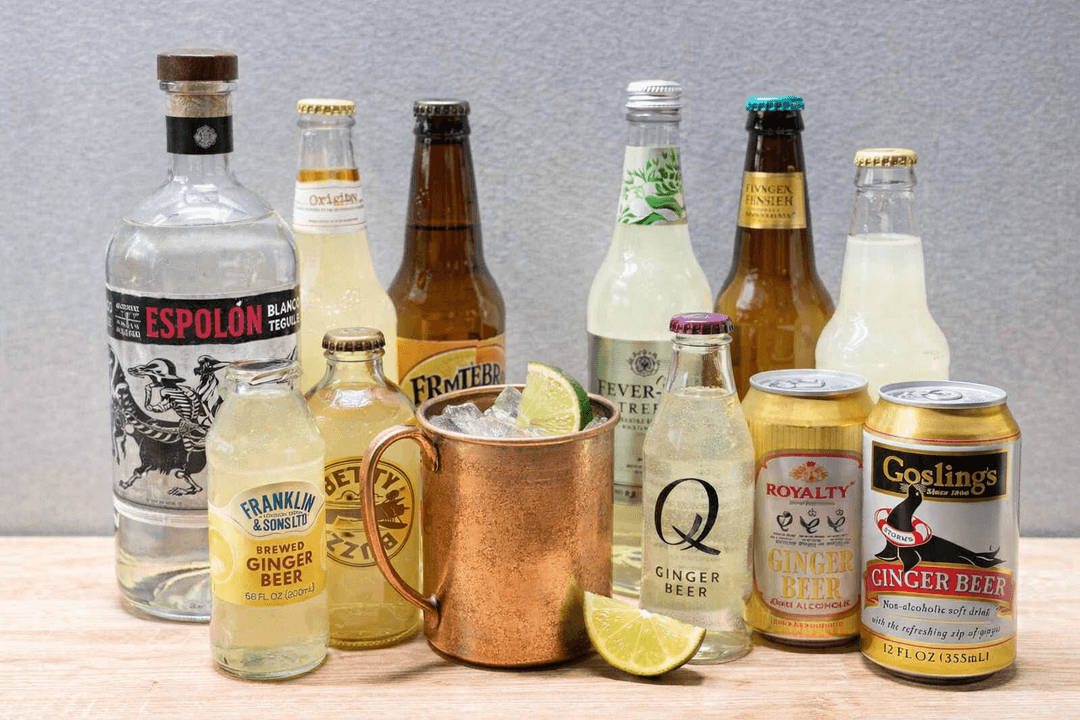
Bottles featured in this article
Quick comparison of all bottles mentioned below.
| Bottle | Type | Price | Rating | Link | |
|---|---|---|---|---|---|
| Ginger Ale | |||||
| Fever Tree Premium Ginger Ale | Ginger Ale | $2 | — | View Bottle | |
| Ginger Beer | |||||
| Fetimans Ginger Beer | Ginger Beer | $2 | — | View Bottle | |
| Bundaberg Ginger Beer | Ginger Beer | $2 | — | View Bottle | |
| Q Mixers Premium Ginger Beer | Ginger Beer | $3 | — | View Bottle | |
| Reed's Original Ginger Beer | Ginger Beer | $3 | — | View Bottle | |
| Gosling’s Stormy Ginger Beer | Ginger Beer | — | — | View Bottle | |
Best Ginger Beer for a Tequila Mule (2026) — 6 Brands Ranked
The Tequila Mule is a three-ingredient cocktail. That means every ingredient matters — and none more than the ginger beer. Use the wrong one and you get a flat, overly sweet drink that buries the tequila. Use the right one and every element pushes back in exactly the right way: ginger heat, agave earthiness, lime brightness.
We ranked six of the most widely available ginger beers specifically for the Tequila Mule — judged on ginger intensity, carbonation quality, sweetness level, and how well they hold up against a blanco or reposado tequila.
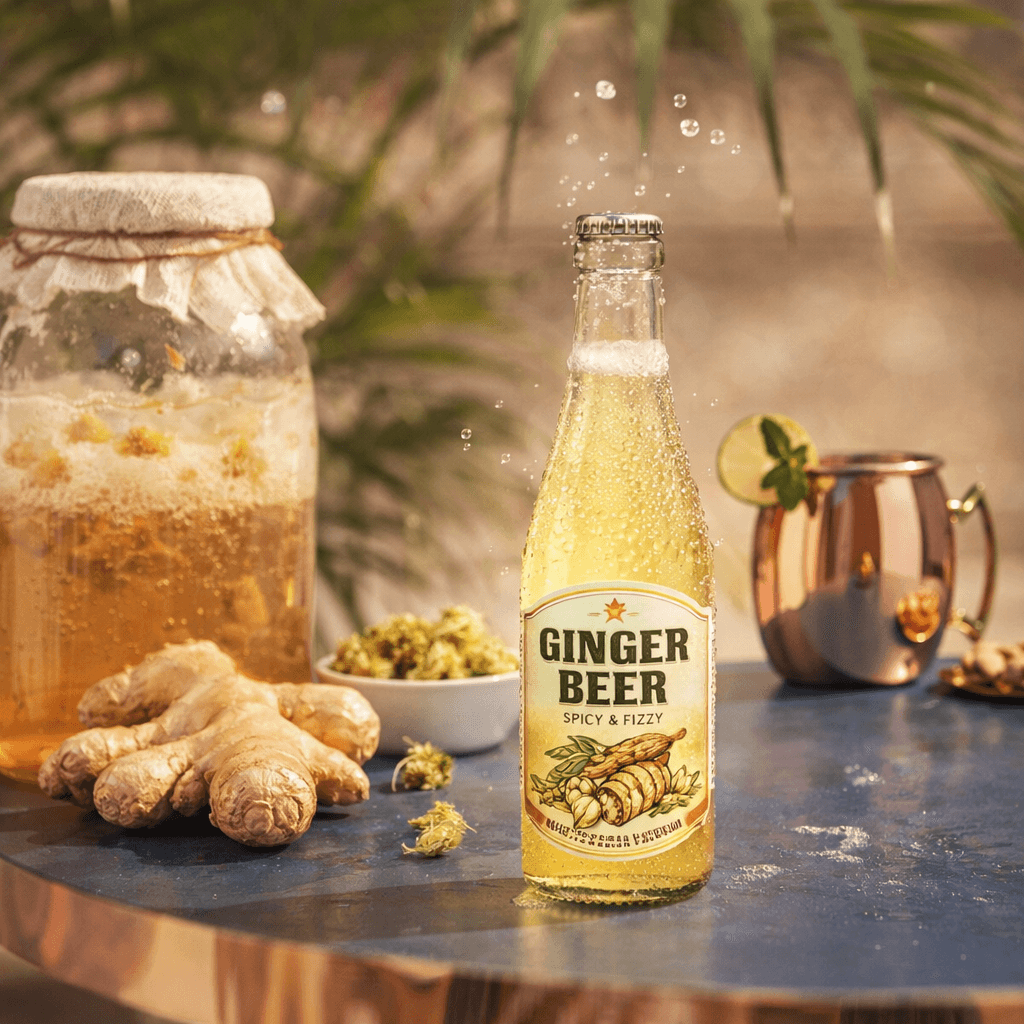
Ginger Beer
Bold, spicy ginger-based carbonated drink, stronger and more intense than ginger ale. Widely used in cocktails, it is essential for classics like the Moscow Mule, Dark ’n’ Stormy, and Mexican Mule.
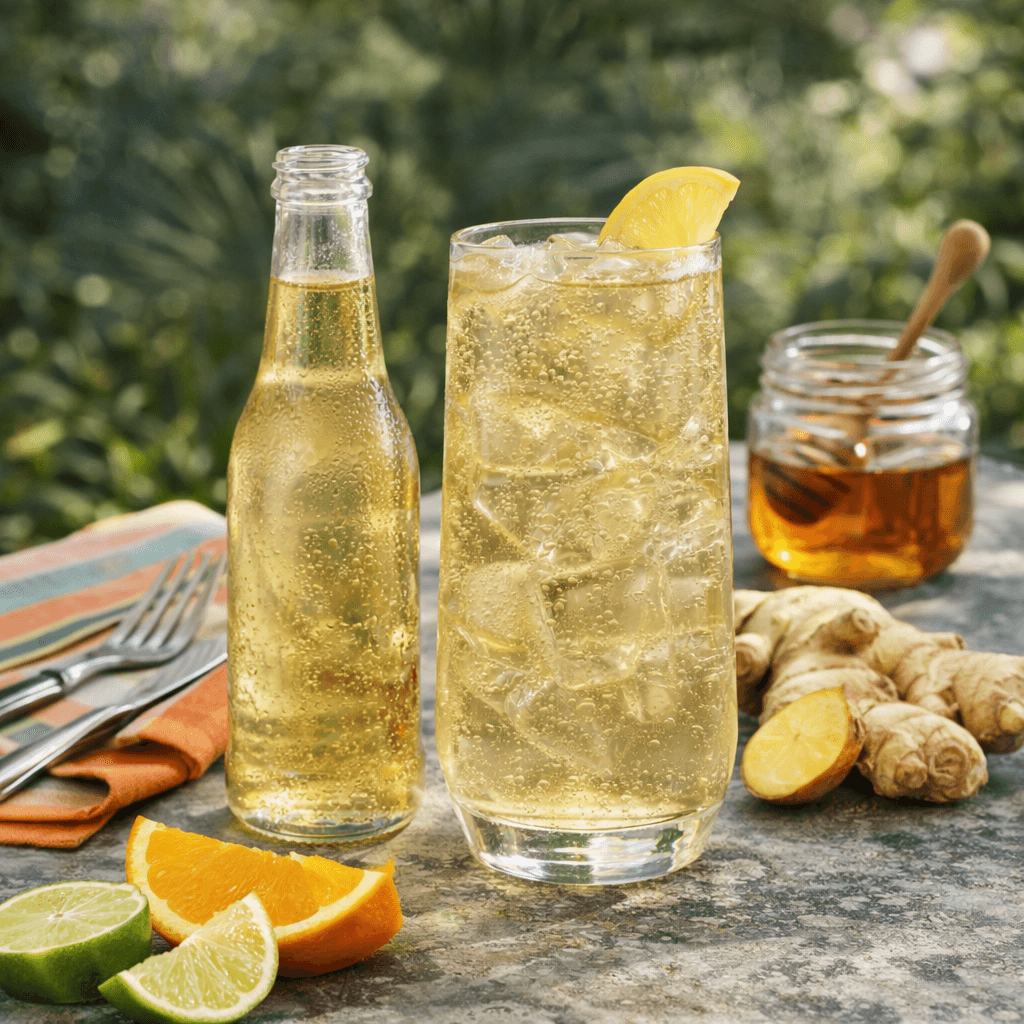
Ginger Ale
Light, sweet ginger-flavored soda, milder and less spicy than ginger beer. It works perfectly in refreshing cocktails or as a smooth mixer.
Ginger Beer vs Ginger Ale — Which One for a Tequila Mule?
Before the rankings: if your recipe calls for ginger beer, do not substitute ginger ale. They are not the same product.
Ginger beer is brewed using real ginger root — sometimes fermented — producing bold spice, natural carbonation, and enough structure to stand up to tequila. Ginger ale is carbonated water mixed with ginger-flavored syrup. It's sweeter, milder, and gets lost next to any spirit with character.
For a Tequila Mule, ginger beer is non-negotiable. The only question is which one.
The 6 Best Ginger Beers for a Tequila Mule
🥇 1. Fever-Tree Premium Ginger Beer
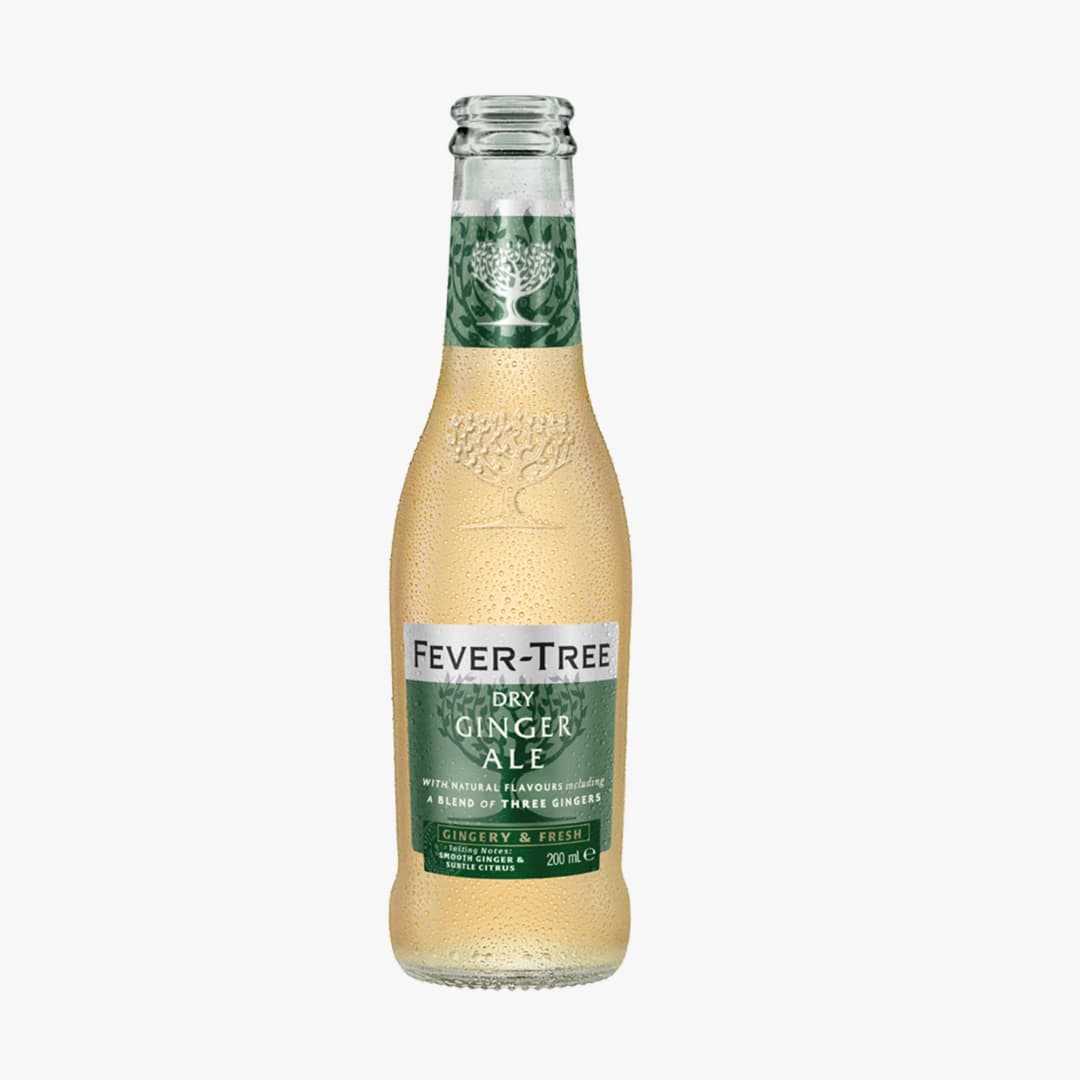
The benchmark. Fever-Tree uses three varieties of ginger — from Nigeria, Cochin, and the Ivory Coast — producing a clean, complex heat that doesn't taste artificial. The carbonation is light and natural, which means it doesn't go aggressive in the glass and preserves the tequila's character rather than drowning it.
Ginger intensity: Medium-high — spicy without being punishing
Sweetness: Low — stays out of the way
Best paired with: Blanco tequila (Ocho Plata, Siete Leguas)
If you only stock one ginger beer for cocktails, this is it.
🥈 2. Fentimans Ginger Beer
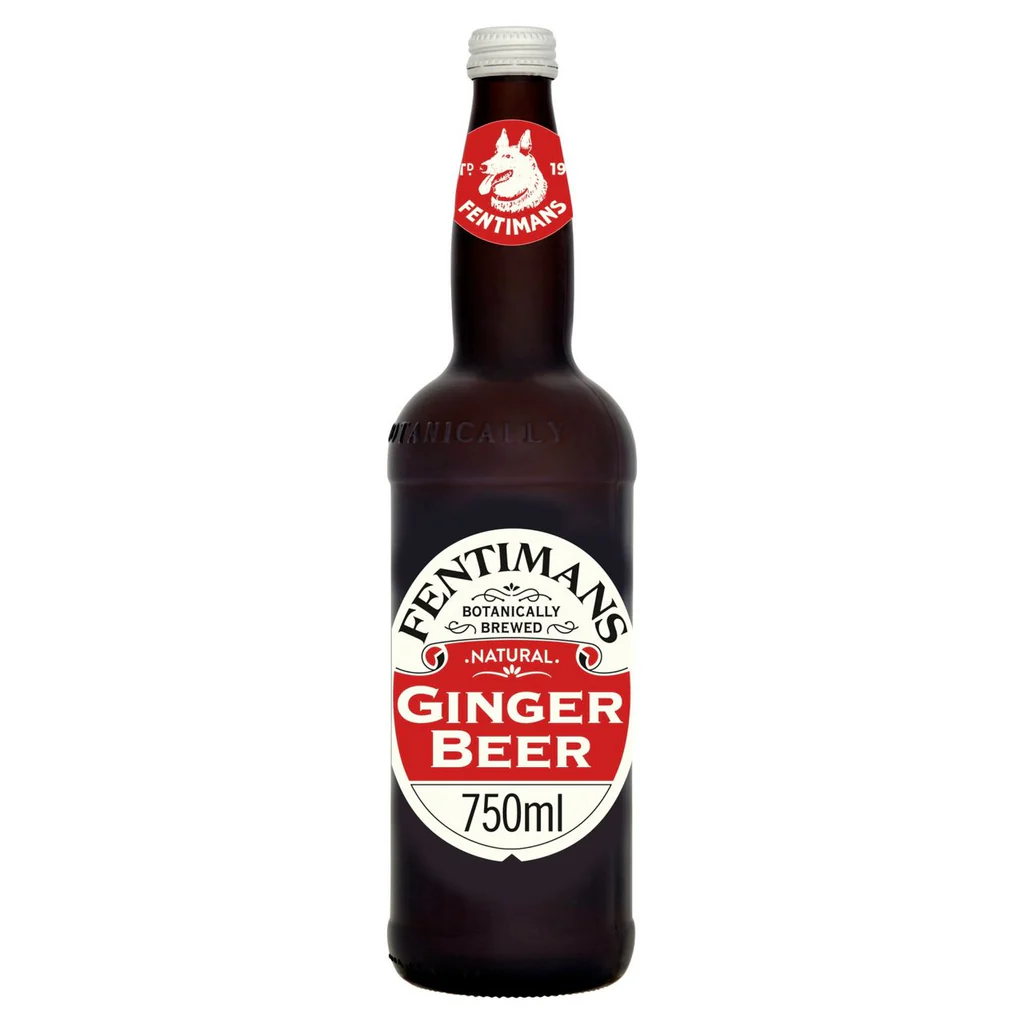
Fentimans uses a traditional botanical brewing process — the ginger is fermented with pear juice and a proprietary culture — and the result is the spiciest major-brand ginger beer on the market. There's real heat here, a slightly herbal bitterness, and a dryness that makes it exceptional in a Tequila Mule.
Ginger intensity: Very high — the spiciest of the six
Sweetness: Low-medium
Best paired with: Reposado tequila (Espolòn Reposado, Calle 23)
The right choice if you want a Mule with genuine fire. Not for those who find ginger beer too aggressive.
🥉 3. Bundaberg Ginger Beer
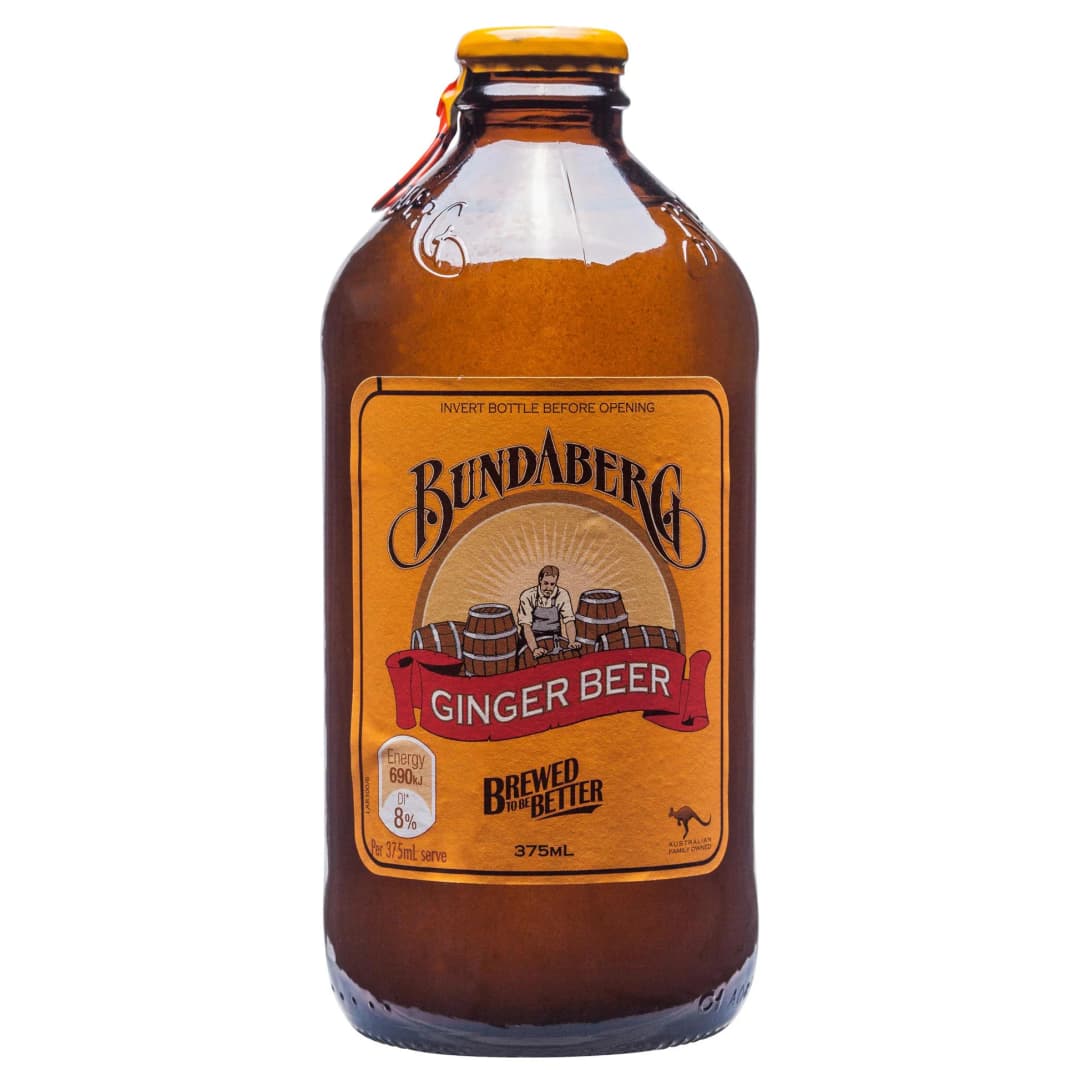
Craft-brewed in Queensland for three days using real ginger root and a proprietary yeast culture, Bundaberg has a distinctly different character from the British brands — slightly sweeter, cloudier, with a gentle tropical note alongside the ginger heat. It's the most "rounded" of the six, which makes it approachable but slightly less assertive in a cocktail.
Ginger intensity: Medium
Sweetness: Medium — the sweetest of the top three
Best paired with: Blanco or reposado — forgiving with most tequilas
The best choice for people who find Fever-Tree too dry or Fentimans too spicy. Outstanding value.
4. Q Mixers Premium Ginger Beer
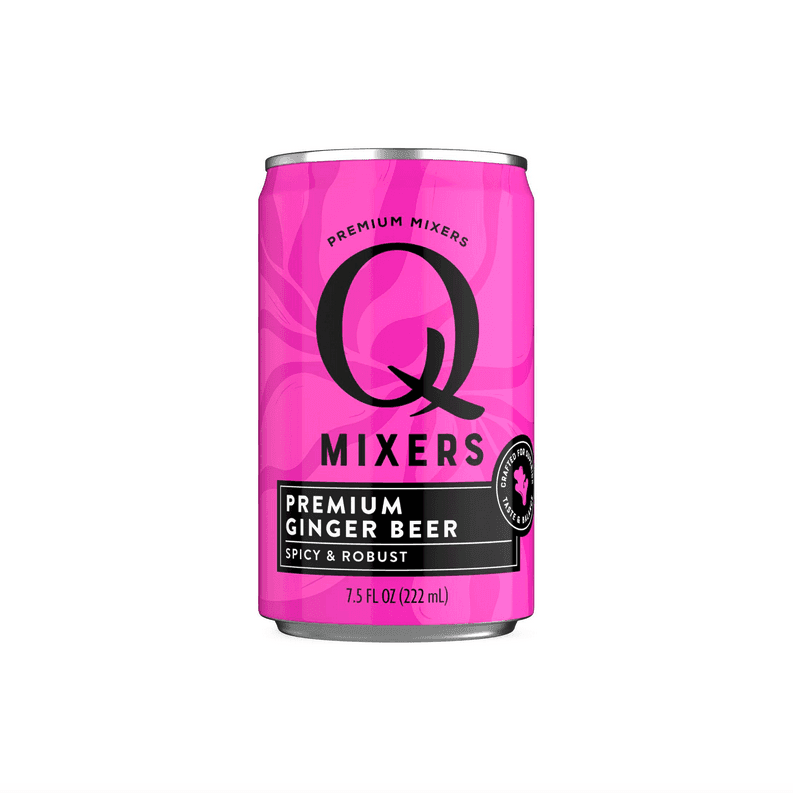
Q Mixers is an American brand designed specifically for cocktail use — the carbonation is exceptionally high and persistent, engineered to survive a copper mug and ice without going flat. The ginger heat is strong and immediate, with a slight citrus note from added cane sugar and a hint of rose oil.
Ginger intensity: High — sharp and direct
Sweetness: Low-medium
Best paired with: Reposado — the oak and vanilla absorb the aggressive carbonation
A strong contender, especially if you're serving in a copper mug where carbonation retention matters.
5. Reed's Original Ginger Beer
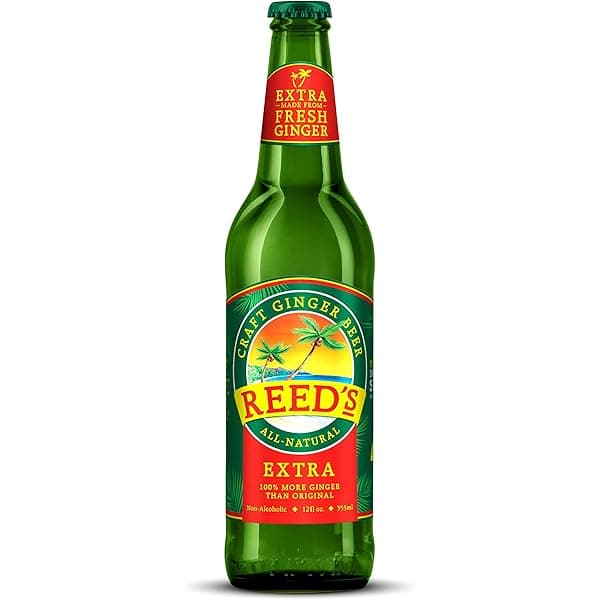
Reed's is one of the original American craft ginger beers, brewed with fresh ginger root, honey, lemon, and lime juice. The result is fuller-bodied and more complex than most — earthy, slightly sweet from the honey, with a warm ginger finish. The honey sweetness means it doesn't pair as cleanly with all tequilas, but it creates an interesting, more food-style Mule.
Ginger intensity: Medium-high
Sweetness: Medium-high — honey adds body and residual sweetness
Best paired with: Blanco with strong agave character (Calle 23) to cut through the sweetness
A distinctive choice for those who want a more complex, less neutral mixer.
6. Gosling's Stormy Ginger Beer
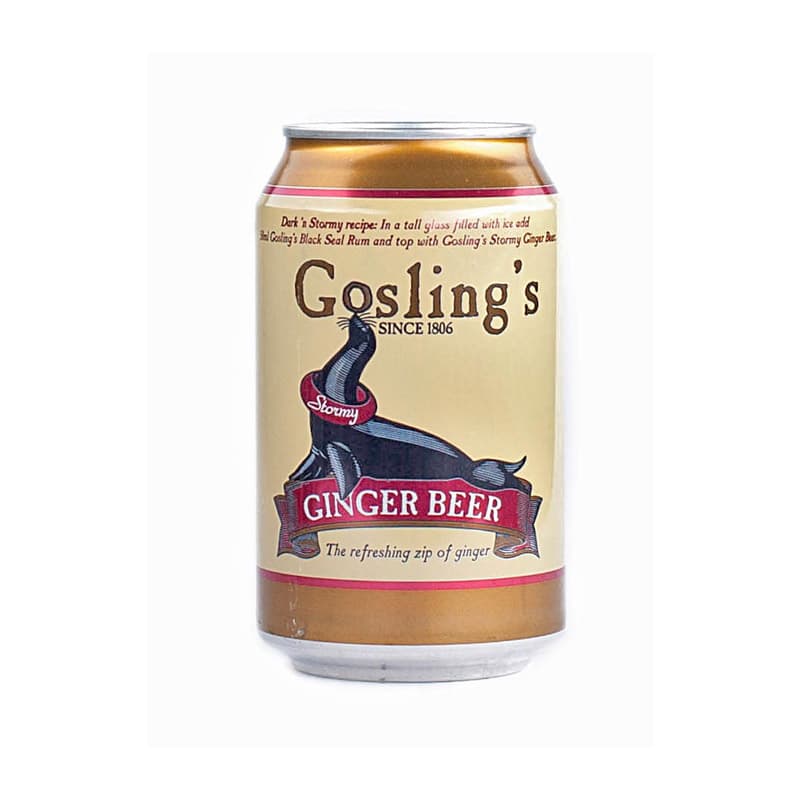
Gosling's was designed to accompany dark rum in a Dark 'n' Stormy — full stop. It's fuller-bodied, less sweet than most, with a pronounced ginger character and a slightly molasses-adjacent depth. In a Tequila Mule, that depth can be interesting or overpowering depending on the tequila. It's the most unusual pairing of the six — not the default choice, but worth trying.
Ginger intensity: Medium-high
Sweetness: Low — dry finish
Best paired with: A smoky mezcal rather than a standard blanco — the depth matches the smoke
Not the first choice for a classic Tequila Mule, but the most interesting for experimentation.
How to Choose — Quick Decision Guide
You want a classic, balanced Mule → Fever-Tree
You want maximum ginger heat → Fentimans
You want the best value → Bundaberg
You're serving a crowd in copper mugs → Q Mixers
You want something different → Reed's or Gosling's
Pro Tips for the Perfect Tequila Mule
Always use fresh lime juice. Bottled lime juice is flatter and sweeter — it clashes with the ginger's heat rather than complementing it.
Stir once, gently. Ginger beer is highly carbonated. One fold with a bar spoon is enough — over-stirring kills the bubbles.
Add the ginger beer last. Tequila and lime juice first over ice, then top with ginger beer. This preserves the carbonation and layers the flavors correctly.
Temperature matters. Ginger beer should be ice cold before pouring — warm ginger beer goes flat instantly and tastes flat regardless of quality.
FAQ
What is the difference between ginger beer and ginger ale?
Ginger beer is brewed or fermented using real ginger root, producing a bold, spicy flavor with natural carbonation. Ginger ale is a sweetened carbonated soft drink made with ginger extract or syrup — it's milder, sweeter, and closer to a flavored soda. For cocktails, ginger beer is almost always the better choice.
Does ginger beer have alcohol?
Most commercial ginger beers contain less than 0.5% ABV, which is legally classified as non-alcoholic in most countries. Traditional homebrewed ginger beer can reach 2–3% ABV due to active fermentation, but bottles you buy at the supermarket — Fever-Tree, Bundaberg, Fentimans — are safe to drink like any soft drink.
Can I substitute ginger ale for ginger beer in a cocktail?
You can, but the result will be noticeably different. Ginger ale is much sweeter and far less spicy than ginger beer. In cocktails like the Tequila Mule or Moscow Mule, substituting ginger ale produces a flatter, less complex drink. Use ginger beer whenever the recipe calls for it.
Why does ginger beer taste spicier than ginger ale?
Because it uses more actual ginger — often raw or minimally processed ginger root — and sometimes undergoes a brewing or fermentation process that develops more complex flavor compounds. Ginger ale uses a diluted extract and is designed to be mild and universally accessible.
Which ginger beer is best for a Tequila Mule?
Fever-Tree Ginger Beer is the benchmark for cocktail use — complex, not too sweet, with a clean ginger bite. Fentimans is a great choice if you want more heat. Bundaberg offers excellent value with a slightly sweeter, fruitier profile. Avoid mass-market ginger ales entirely for this cocktail.
Is ginger beer healthier than ginger ale?
Neither is a health drink — both contain sugar. Craft ginger beers use real ginger root, which has documented anti-nausea and anti-inflammatory properties, but the amounts in a cocktail serving are unlikely to be clinically meaningful. If health is a concern, look for reduced-sugar or diet versions.
What is a ginger beer plant?
A ginger beer plant is a traditional symbiotic culture used in homebrewing, similar to a sourdough starter or kombucha SCOBY. It contains yeast and bacteria that ferment sugar and ginger into a naturally carbonated, slightly alcoholic beverage. Most commercial producers no longer use it, relying instead on controlled brewing or carbonation methods.
About the author

Alexandre Germain
Alex is the founder of Smarter Spirits and a cocktail enthusiast who has tested dozens of tequilas to find the smoothest options for shots. He focuses on practical guides, honest comparisons, and real tasting experiences.